Menu

TABLE CONTENT
- How to Choose the Right Baby Clothes for the Rainy Season
- How to Wash Baby Clothes During the Rainy Season
- How to Dry Baby Clothes, Blankets & Bibs Properly
- How to Keep Children Away from Infections During the Rainy Season
- Common Monsoon Mistakes Parents Make with Babies
- Babywish Rainy Season Essentials
- Quick Monsoon Baby Care Checklist
- FAQ
- Conclusion
1. Why Rainy Season Baby Care Matters
The rainy season brings pleasant weather, but it also comes with a few extra challenges for parents. High humidity, damp clothes, sudden weather changes, and mosquitoes can make babies more vulnerable to skin irritation, infections, and seasonal illnesses. Since a baby’s immune system is still developing, a little extra care can help keep your little one healthy and comfortable throughout the monsoon.

In this guide, we’ll share practical tips on choosing the right baby clothes, washing and drying baby essentials properly, protecting your baby from common monsoon infections, avoiding common parenting mistakes, and selecting useful baby essentials for the rainy season.
In this guide, we’ll share practical tips on choosing the right baby clothes, washing and drying baby essentials properly, protecting your baby from common monsoon infections, avoiding common parenting mistakes, and selecting useful baby essentials for the rainy season.
2. Common Health Risks for Babies During the Rainy Season
While the rainy season brings joy and delight to children, it can also pose challenges to their health. During this season, humidity levels rise, temperatures fluctuate, and the rainfall leads to an increase in the mosquito population. Additionally, the risk of infections rises due to the contamination of food and water. Since the immune systems of young children are not yet fully developed, they are more susceptible to falling ill. Let us look at some of the common health issues children may face during the rainy season.

A. Skin rashes – Drying clothes is a major challenge during the rainy season. Clothes, blankets, and towels often fail to dry completely and remain damp for extended periods. Young children have very sensitive skin; wearing damp or semi-dry clothes can lead to issues like rashes, redness, itching, and irritation. Therefore, always dress children in soft, pure cotton clothing that dries quickly and is comfortable to wear.
B. Fungal infections – Humidity levels remain high during the rainy season, creating an environment where fungi thrive. This increases the risk of fungal infections in areas such as skin folds, the neck, armpits, and the diaper area. To prevent this, keep your child’s skin clean and dry at all times.
C. Cold and cough – The weather fluctuates frequently during the rainy season. Sudden temperature changes and high humidity increase the risk of children developing colds, coughs, and throat infections. Consult a doctor immediately if your child experiences persistent fever, difficulty breathing, or a prolonged cough.
D. Mosquito-borne diseases – Water stagnation after the rain allows mosquitoes to breed rapidly, increasing the risk of diseases like Dengue and Malaria. Do not allow water to collect anywhere in or around your home. Use mosquito nets and adopt safe mosquito-repellent measures to protect your child.
E. Stomach infections – Contaminated water and unhygienic food during the rainy season can cause diarrhea, vomiting, and other stomach-related issues in children. Always give them boiled or filtered water to drink. Keep food covered and ensure fruits and vegetables are washed thoroughly before use.
3.What to do for the child’s safety?
- Always dress the child in clean, completely dry cotton clothing.
- Use clothes, blankets, bibs, and towels only after washing them thoroughly and ensuring they are completely dry.
- Wash your hands thoroughly before touching the child.
- Do not allow water to stagnate in or around the house.
- Always provide the child with fresh, nutritious food and clean, safe drinking water.
- If the child develops a high fever, persistent diarrhea, difficulty breathing, or shows other serious symptoms, consult a pediatrician immediately.
3. How to Choose the Right Baby Clothes for the Rainy Season
During the rainy season, cool breezes blow, bringing a sense of fresh air. Parents often find themselves unsure about what to dress their children in during this time, frequently wondering what is most suitable for the weather.
If children wear wet clothes, excessive layers, or overly warm garments during the rainy season, they can become uncomfortable. Therefore, instead of bundling them up in too many layers, it is best to choose clothes that are soft, breathable, lightweight, and completely dry.

Selecting the right clothing ensures the child feels comfortable and helps protect their delicate skin from rashes, irritation, and issues caused by dampness. Whether you are taking your child out for a walk or keeping them at home, always choose clothing that keeps them feeling soft, dry, safe, and comfortable throughout the day.
Rainy Season Baby Clothing Checklist
1. Soft Cotton Baby Rompers
Soft cotton rompers are the best choice for the rainy season. They are gentle on the skin, breathable, and quick-drying, ensuring the baby stays comfortable all day long.
2. Full-Sleeve Baby Night Suits
Full-sleeve cotton night suits help keep the baby comfortable during cool and damp nights. They are lightweight and provide comfort without overheating the baby.
3. Muslin Baby Blankets
Muslin baby blankets are lightweight, soft, and breathable. During the rainy season, they provide gentle warmth while keeping the baby comfortable.
4. Cotton Bibs
Baby clothes can easily get dirty or wet during the rainy season. Cotton bibs help protect clothing from drool or milk spills and are easy to wash and dry.
5. Extra Cotton Clothing Set
Always keep an extra cotton outfit handy for the baby during the rainy season. Changing into fresh clothes immediately if the current ones get wet or dirty ensures the baby stays dry, clean, and comfortable.
4. How to Wash Baby Clothes During the Rainy Season
Washing and thoroughly drying children’s clothes during the rainy season is one of the biggest challenges for parents. Due to the humidity, clothes take longer to dry, increasing the risk of unpleasant odors, mold, and bacterial growth. Therefore, paying special attention to the cleanliness of children’s clothing during this season is crucial.
Always wash children’s clothes separately from adult clothing and use a baby-safe or mild detergent. Ensure the clothes are completely dry before using them again, as damp or partially dry garments can cause rashes, irritation, and other skin issues for a child’s delicate skin.
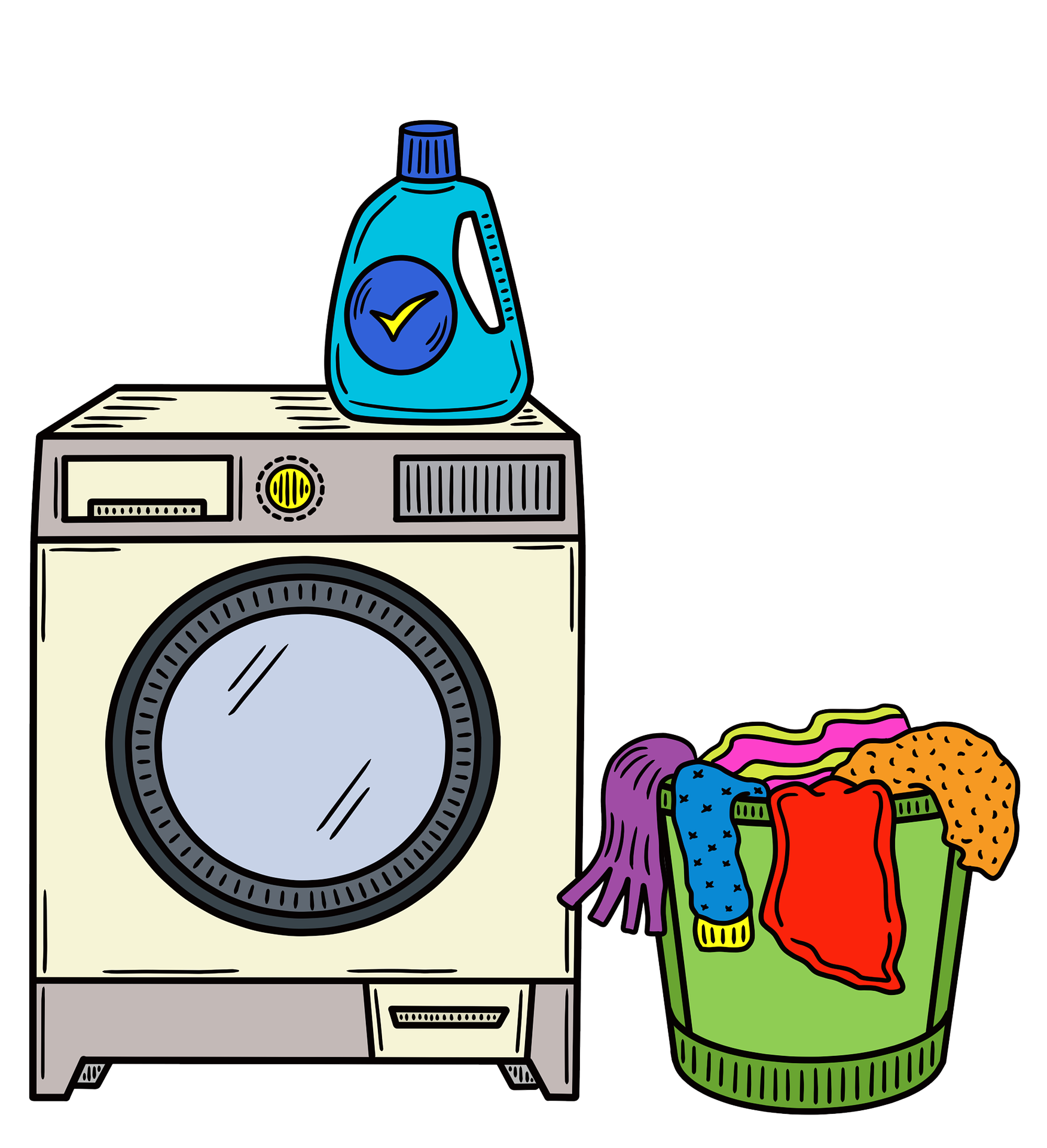
By following the simple steps below, you can properly wash and dry children’s clothes during the rainy season.
- Always wash children’s clothes separately.
- Use baby-safe and mild detergents.
- Avoid harsh chemicals and fabric softeners.
- Wash the clothes thoroughly and rinse with clean water.
- Use the clothes only after they are completely dry.
- Do not put damp or foul-smelling clothes back on the child.
- Store the clothes in a clean, dry place.
5. How to Dry Baby Clothes, Blankets & Bibs Properly
During this season, Drying children’s clothes during the rainy season is a major challenge. If the clothes do not dry properly, moisture remains in the fabric. This moisture leads to a musty, mildew-like odor and the growth of bacteria, which can be harmful to a child’s sensitive skin. Therefore, it is crucial to dry children’s clothes thoroughly and correctly.
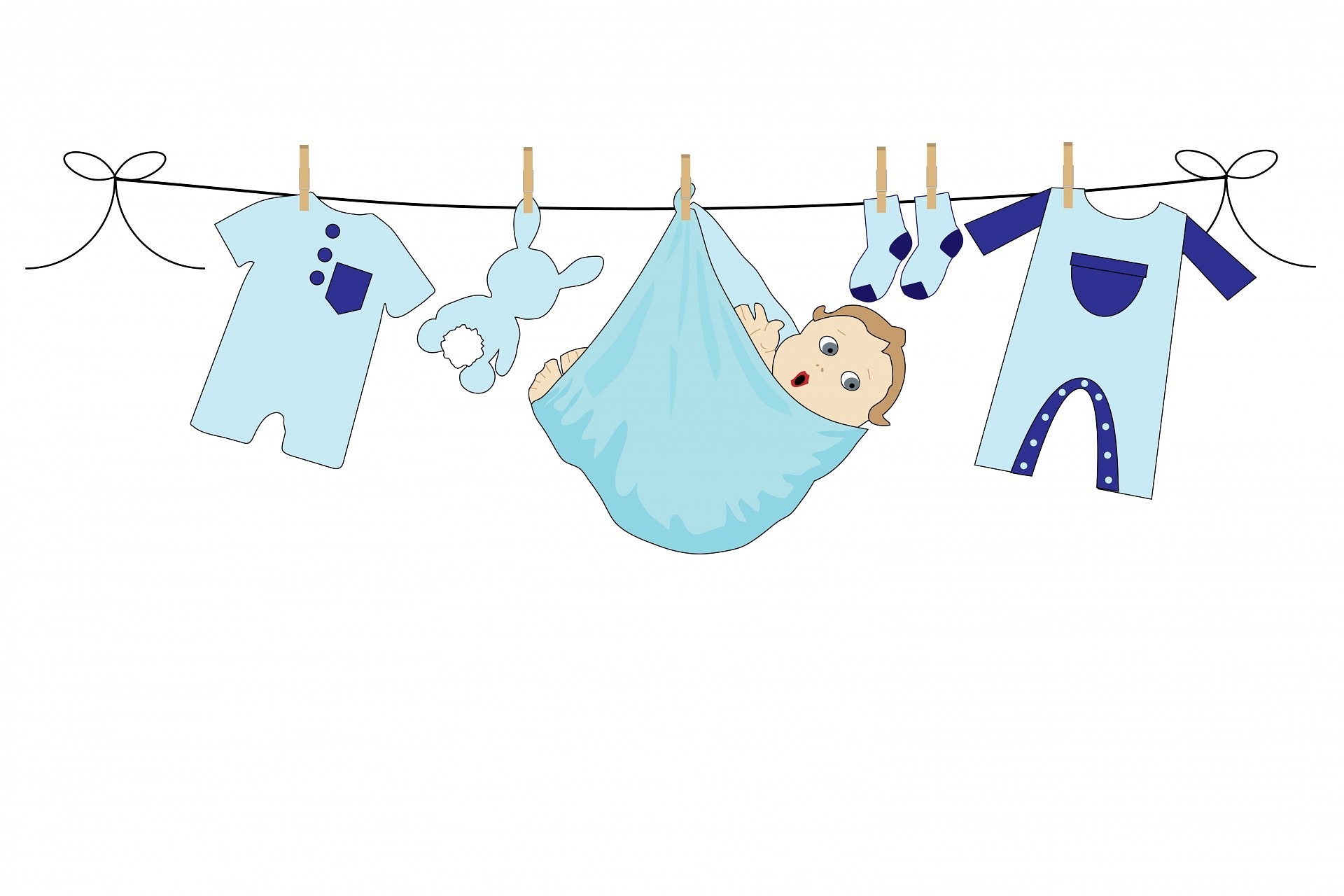
- Thoroughly remove excess water from clothes(spin cycle)
After washing, thoroughly wring out excess water from the clothes. If using a washing machine, you can run an extra spin cycle. This removes excess water and helps the clothes dry faster.
- Dry in a well-ventilated area – Dry clothes in a spot with good airflow.
- Dry in the sun when available – If it is sunny, thoroughly dry clothes and blankets in the sunlight.
- Use an indoor drying rack – When there is no sunlight, dry clothes on a rack under a fan.
- Store only after clothes are completely dry – Placing damp clothes in the wardrobe can lead to unpleasant odors and mold growth.
- Spread out blankets and bibs to dry – Do not dry them folded; spreading them out allows moisture to escape quickly.
- Do not reuse wet clothes – Always dress the child in clean, completely dry clothes.
Store dry clothes in a clean, dry place – This protects them from absorbing moisture again.
6. How to Keep Children Away from Infections During the Rainy Season
Monsoon weather creates the perfect environment for germs, mosquitoes, and fungi to grow. Since babies have developing immune systems, a few simple precautions can go a long way in protecting them from common seasonal infections..

- Protect against mosquitoes
Do not allow water to stagnate in or around the house.
Use a safe mosquito net or mosquito-repellent product for the child.
Dress the child in full-sleeved cotton clothing when going outdoors.
Maintain regular cleanliness in the home.
- Provide clean and nutritious food
Always give boiled or filtered water.
Feed the child fresh, homemade food.
Wash fruits and vegetables thoroughly before feeding them to the child.
Avoid giving junk food or food from outside.
- Serve warm food
Offer warm milk, soup, and freshly cooked food suited to the weather.
Avoid giving very cold items.
- Maintain hygiene
Wash the child’s hands frequently.
Keep toys, bottles, and utensils clean.
Clean the child’s hands and feet after they return from outdoors.
- Change wet clothes immediately
Change wet clothes or shoes right away.
Always dress the child in clean, dry, and soft cotton clothing.
- Keep the home environment clean
Ensure proper ventilation in the room.
Do not allow dampness or dirt to accumulate.
- Ensure the child gets plenty of rest
Allow the child to get adequate sleep.
Consult a doctor immediately if symptoms like fever, cough, or any serious signs appear.
By paying attention to these simple measures, you can protect your child from infections during the rainy season and keep them healthy, safe, and happy.
7. Common Monsoon Mistakes Parents Make with Babies
Even with the best intentions, parents can make a few common mistakes during the rainy season without realizing it. Things like leaving babies in damp clothes for too long, overlooking indoor humidity, or not taking enough precautions against mosquitoes can increase the risk of rashes, infections, and seasonal illnesses. Being aware of these small mistakes can help keep your baby healthy, comfortable, and protected throughout the monsoon.
- Neglecting Skin Care(Ignoring Skin Rashes)
A child’s skin is often the first to be affected during the rainy season. Wet clothes, high humidity, and prolonged use of diapers can lead to rashes, itching, and fungal infections. Therefore, always keep your child’s skin clean and dry.
- Delaying Vaccinations
Many parents postpone their child’s vaccinations for a few days due to the rain. However, doing so can compromise the child’s immunity against diseases. Regardless of the weather, ensure vaccinations are administered at the times recommended by the doctor.
- Ignoring Indoor Humidity and Lack of Cleanliness(Poor Ventilation)
Humidity levels rise quickly indoors during the rainy season. If rooms remain closed or lack cleanliness, bacteria and fungi can multiply rapidly. Keep the house clean and allow for proper ventilation by letting fresh air circulate for some time each day.
- Negligence Regarding Food and Drink(Feeding Mistakes)
Stale food, contaminated water, or improperly washed fruits and vegetables can make a child sick during the rainy season. Always provide your child with fresh, clean, and nutritious food.
- Failing to Protect Against Mosquitoes(Unsafe Use of Mosquito Repellents)
Mosquitoes breed rapidly in stagnant water left after the rain. If the child is not adequately protected from mosquitoes, the risk of diseases like dengue and malaria increases. Use mosquito nets and prevent water from stagnating around the house.
7. Ignoring symptoms of illness(Skipping Pediatric Visits)
If a child has a persistent fever, cough, vomiting, diarrhea, or skin rashes, do not dismiss them as trivial. Consulting a doctor in time can lead to a quicker recovery and help prevent serious complication.
8. Babywish Rainy Season Essentials
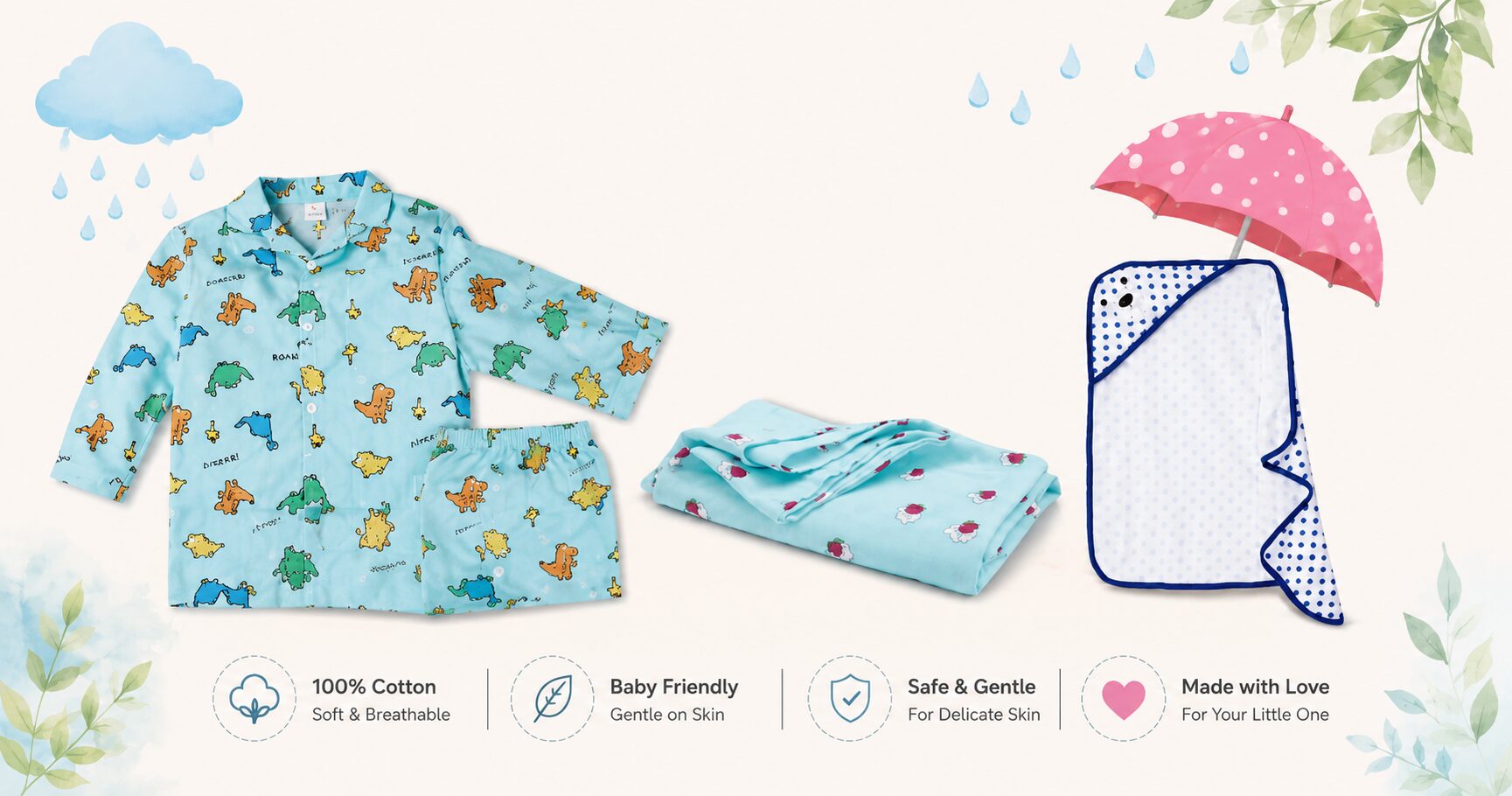
Choosing the right baby products is a crucial part of baby care during the rainy season. Soft, comfortable, and quick-drying baby essentials help keep your baby dry, safe, and cozy all day long. You can choose these ‘Babywish Rainy Season Essentials’ for your baby during the monsoon:
1. Cotton Baby Rompers
Soft and breathable cotton rompers keep the baby comfortable throughout the day. They dry quickly, making them an excellent choice for the rainy season.https://babywish.in/product-category/clothing-accessories/?q=ROMPER
2. Cotton Baby Night Suits
Lightweight and soft cotton night suits help ensure a comfortable sleep for the baby, even in humid weather. https://babywish.in/product-category/clothing-accessories/kids/boys-fashion/night-wear-boys-fashion/
3. Muslin Baby Blanket
A lightweight, soft, and breathable muslin blanket provides gentle warmth without causing the baby to overheat.https://babywish.in/product-category/nursery/blanket-quilt-wrapper/
4. Cotton Baby Bibs
Cotton bibs help keep the baby’s clothes dry from milk spills or drool; they are also easy to wash and dry.https://babywish.in/product-category/feeding/bibs/
5. Extra Cotton Clothes
Always carry an extra cotton outfit for your baby during the rainy season so that clothes can be changed immediately if they get wet.https://babywish.in/product-category/clothing-accessories/baby/baby-boy/onesies-romper-baby-boy/
6. Soft Cotton Towel
After a bath or if the baby gets slightly wet in the rain, dry them thoroughly with a soft cotton towel to ensure no moisture remains on the skin.https://babywish.in/product-category/bath-skins/towel-wrapper/
9. Quick Monsoon Baby Care Checklist
- Always dress the baby in soft, dry cotton clothes.
- Change wet clothes, bibs, and blankets immediately.
- Ensure baby’s clothes are completely dry before use.
- Wash clothes using a baby-safe detergent.
- Give the baby boiled or filtered water (depending on age).
- Feed only fresh and nutritious food.
- Regularly clean the baby’s hands, bottles, and toys.
- Do not allow water to stagnate around the house.
- Use a mosquito net or baby-safe mosquito protection.
- Consult a doctor in case of fever, rashes, or persistent coughing.
10. FAQ (Frequently Asked Questions)
Q1. What kind of clothes should a child wear during the rainy season?
Ans: Soft, lightweight, breathable, and completely dry cotton clothes are the best choice.
Q2. Can a child’s clothes be dried indoors during the rainy season if there is no sunlight?
Ans: Yes; ensure the clothes are completely dry—using a drying rack placed near a fan or in a well-ventilated area—before using them.
Q3. How often should a child’s clothes be changed during the rainy season?
Ans: Change the clothes immediately if they become wet, sweaty, or dirty.
Q4. How can children be protected from mosquitoes during the rainy season?
Ans: Use a mosquito net, prevent water from stagnating around the house, and use safe mosquito-repellent measures for the child.
Q5. Is it safe to take the child out for a walk during the rainy season?
Ans: Yes, but avoid areas with heavy rain, stagnant water, or mosquitoes, and dress the child according to the weather.
Q6. What should a child be fed during the rainy season?
Ans: Always give the child fresh, homemade, and nutritious food. Offer dishes like lentils (dal), khichdi, soups, and seasonal fruits and vegetables. Avoid giving stale, deep-fried, or junk food.
Q7. Should a child be given cold foods during the rainy season?
Ans: Avoid giving the child very cold foods during the rainy season. Depending on the child’s age, it is better to offer lukewarm milk, freshly prepared soup, and food that is slightly warm. Always provide boiled or filtered water.
11. WRAPPING UP(Conclusion)
The rainy season can be a wonderful time to create special moments with your little one. With the right clothing, good hygiene, proper laundry care, and a few simple daily precautions, you can help your baby stay healthy, comfortable, and protected throughout the season.
Choosing soft, breathable cotton clothes and keeping baby essentials clean and completely dry can make everyday care much easier. If you’re looking for comfortable baby clothing and everyday essentials, the Babywish collection offers practical options designed to keep your little one cozy during the monsoon.
With a little extra care, you can enjoy the beauty of the rainy season while making happy memories with your baby. throughout the monsoon season.

.
Looking for more baby care tips? Read these helpful article– https://babywish.in/preparing-for-your-little-guests-arrival-the-ultimate-newborn-baby-checklist-for-smart-parents/